
Zjistěte, kdy je vidět těhotenství na ultrazvuku, jaké známky se objevují v jednotlivých týdnech a co dělat, když na snímku nic nevidíte. Všechno, co potřebujete vědět o prvních ultrazvukových vyšetřeních.
Těhotenství na ultrazvuku: Co se skrývá za obrazem a co to znamená pro vás
When you see the first blurry image of your baby on the screen, it’s not just a picture — it’s těhotenství na ultrazvuku, diagnostická metoda, která pomocí zvukových vln zobrazuje vývoj plodu v děloze. Also known as těhotenský ultrazvuk, it is the most common and safest way to track how your baby is growing, check for potential problems, and confirm that everything is on track — without radiation or invasive steps. This isn’t science fiction. It’s routine care, and it’s happening right now for thousands of women in the Czech Republic every week.
What you see on the screen is just the tip of the iceberg. Behind that image, specialists are looking for dozens of tiny details: the 12 týdnů ultrazvuk, první velké vyšetření, které kombinuje měření tloušťky krku plodu s hladinou dvou hormonů v krvi matky — a to je základ screeningu těhotenství, systémového postupu, který odhaluje riziko chromozomových vad, jako je Downův syndrom. You don’t need to understand all the numbers, but you should know this: if something looks unusual, it doesn’t mean your baby has a problem — it means you get a chance to find out more, earlier. And that’s powerful.
Many women think the ultrasound is just to see if the baby is alive. But it does so much more. At 5 weeks, they look for the gestational sac and yolk sac. At 12 weeks, they check the nasal bone, heart rhythm, and limb development. At 20 weeks, they scan every organ — brain, kidneys, stomach, even fingers. And yes, they can spot signs of Downův syndrom, chromozomová porucha, která se projevuje charakteristickými rysy na ultrazvuku a může být odhalena už v prvním trimestru — not with 100% certainty, but with enough accuracy to guide next steps. You’re not just watching a baby grow. You’re getting real-time feedback about your pregnancy’s health.
And it’s not just about the baby. The ultrasound also checks your uterus, cervix, and placenta. Is the placenta in the right place? Is your cervix starting to shorten too early? Is there fluid around the baby? These aren’t random checks. They’re safety nets. One small change can mean the difference between a smooth delivery and early intervention. That’s why skipping an ultrasound isn’t just skipping a photo — it’s skipping a vital health checkpoint.
You might wonder why you need more than one scan. The answer is simple: your pregnancy changes every week. What’s normal at 8 weeks might be a red flag at 16. What looks perfect at 12 weeks might need a closer look at 20. Each scan has its own purpose — and your doctor isn’t just checking the baby’s face. They’re checking your whole pregnancy story.
And if you’re nervous about what they might find? You’re not alone. But remember — most ultrasounds show nothing unusual. And if something does come up, you’re not alone. You’ll have time, support, and experts guiding you through every next step. This isn’t about fear. It’s about preparation.
Below, you’ll find real stories and clear answers about what happens during each ultrasound, what doctors look for, how to interpret results, and what to do if something seems off. No jargon. No panic. Just facts — the kind you need when you’re expecting.
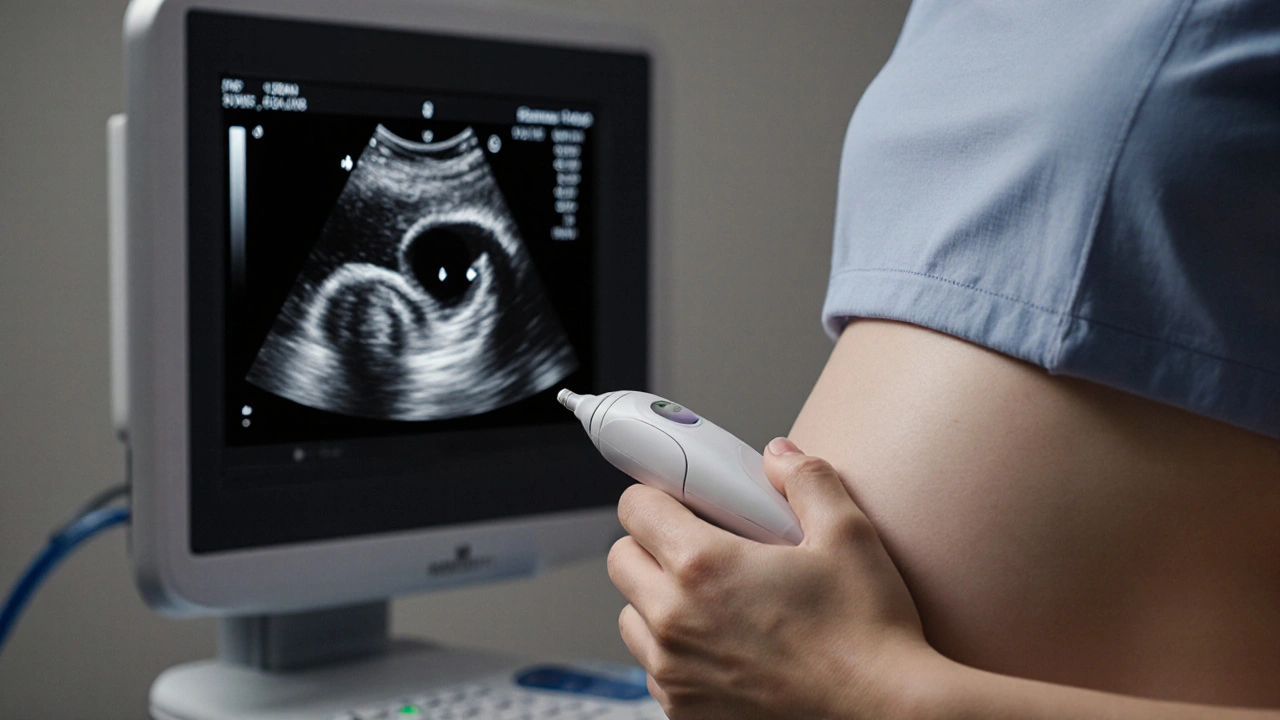
Kdy je vidět těhotenství na ultrazvuku? První známky a časové termíny